

Building Safer Communities Through Education
Gregory Allen Shares How Collaboration Helped Launch the New Master of Science in Threat Assessment and Management
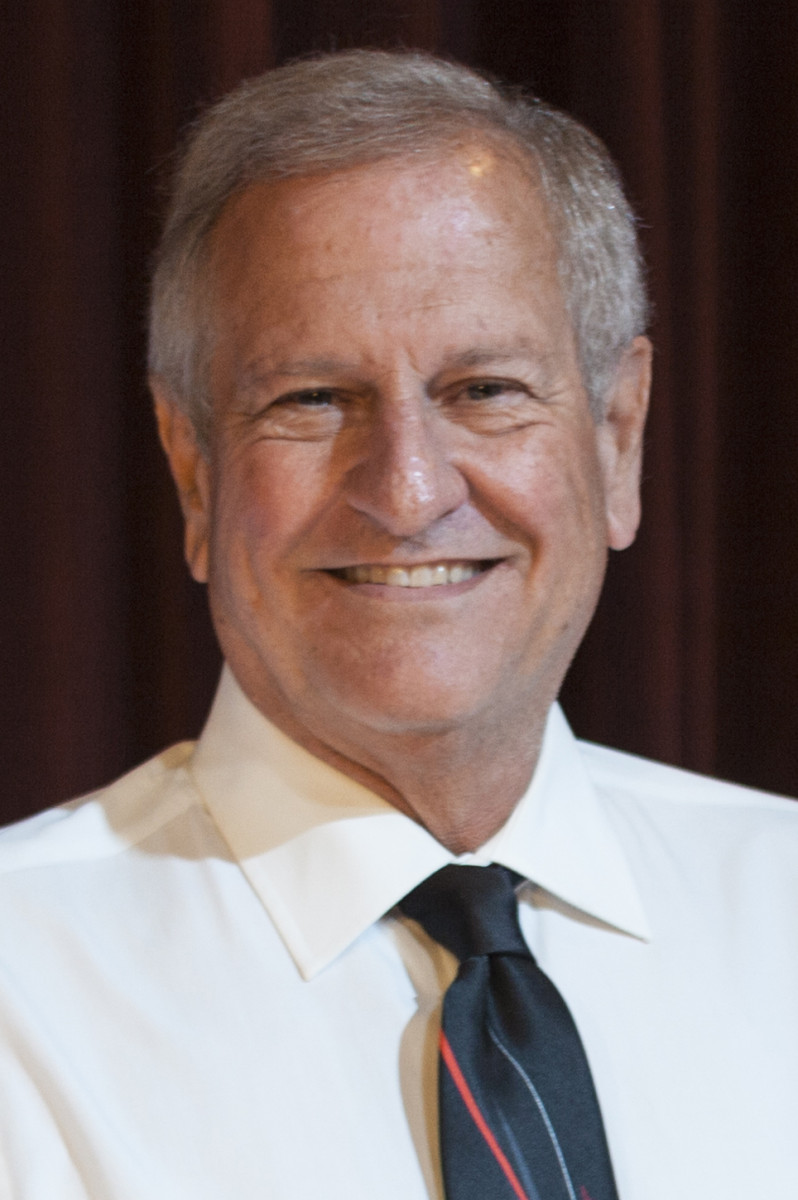
Gregory Allen has a long and storied history in law enforcement and security.
Born and raised in Omaha, Allen served in the U.S. Army and completed a stint as an undercover narcotics agent in North Dakota before shifting his career to the Omaha Police Department in 1971.
Years later, Allen transitioned into the security sector, serving as a special agent with Union Pacific Railroad before becoming the Director of Security at ConAgra’s corporate campus. His extensive experience totals more than 25 years in public law enforcement and security.
Allen entered academia in 2004 as an Assistant Professor and Director of the Security Management program at Bellevue University. Under his leadership, this program, which was initially designed in response to the 9/11 attacks, became one of the largest of its kind in the United States. Over time, the program evolved to address emerging security threats such as domestic and international terrorism and active shooter scenarios.
Allen later developed the Emergency Management program at the undergraduate level and the MS in Emergency Management at the graduate level. He underscores the growing importance of emergency management professionals today, especially in response to events like the California wildfires of early 2025, where support is needed long after the flames are extinguished.
Allen’s transition to academia was fueled by prior curriculum development work at a community college in Omaha while serving with the Omaha Police Department.
Today, much of his focus is on designing Bellevue University’s new threat assessment master’s program and spearheading initiatives in threat assessment management — an area of growing importance in schools and communities.
Allen draws from his service with the Sarpy County Threat Assessment Team, established in 2016 by the Sarpy County Sheriff’s Department. This collaborative initiative brings together school districts, local law enforcement, the county attorney, probation officers, and mental health professionals. The team conducts bi-weekly meetings to review specific threats to student and public safety, addressing issues ranging from shootings to self-harm. The program operates proactively, encouraging anyone to report threats involving students or adults.
“We have a real gamut of individuals involved, but what we’re realizing is that threat assessment is vital when it comes to mental health,” Allen says. “Mental health is the number one challenge we’re facing in schools. Each new generation — whether millennials or Gen Z — requires us to adjust our approach to help them succeed.”
Allen’s expertise in security threat assessment extends to authorship. He co-wrote a textbook on threat assessment and risk analysis, which has proven increasingly relevant today.
“We face risks every single day, both professionally and privately,” Allen explains. “This textbook helps individuals assess and manage those risks.”
Bellevue University’s Master of Science in Threat Assessment and Management leverages Allen’s expertise. Designed for working professionals, the accelerated, cohort-based program will prepare students who enroll to manage threats of violence, public safety risks, and mental health crises across law enforcement, education, juvenile justice, and corporate settings.
“Threat assessment is the next level of thinking in security management,” Allen says. “We need to move from a reactive mindset to a proactive one.”
Allen believes the school threat assessment training in the program will help eliminate the thought of “it’ll never happen here” by preparing organizations, school districts, and other institutions to address potential threats.
“This program will help change that mindset, equipping communities to prevent and mitigate risks before they become crises,” he says.
In addition to developing educational and security training programs, Allen remains active in the classroom, valuing the opportunity to learn from his colleagues and students alike.
“I’ve been there, I’ve done it, and now I can talk about it,” he says. “I learn from my colleagues’ approaches and how they motivate students. It’s rewarding to see how they do it and to work alongside them.”
Allen prioritizes student interaction, believing it’s important for helping them achieve their goals.
“The neat thing about our programs is that there are no age limits,” he says.
One of his earliest students was a 65-year-old man who entered the Security Management degree program. This student later became the second highest ranking official at the U.S. Department of Agriculture.
Today, as security threat scenarios evolve, Allen continues to innovate, ensuring that those on the frontlines are equipped with the knowledge and skills to prevent and mitigate crises before they escalate.