

MHA Graduate Receives Award for Launching Program to Improve Patient Care
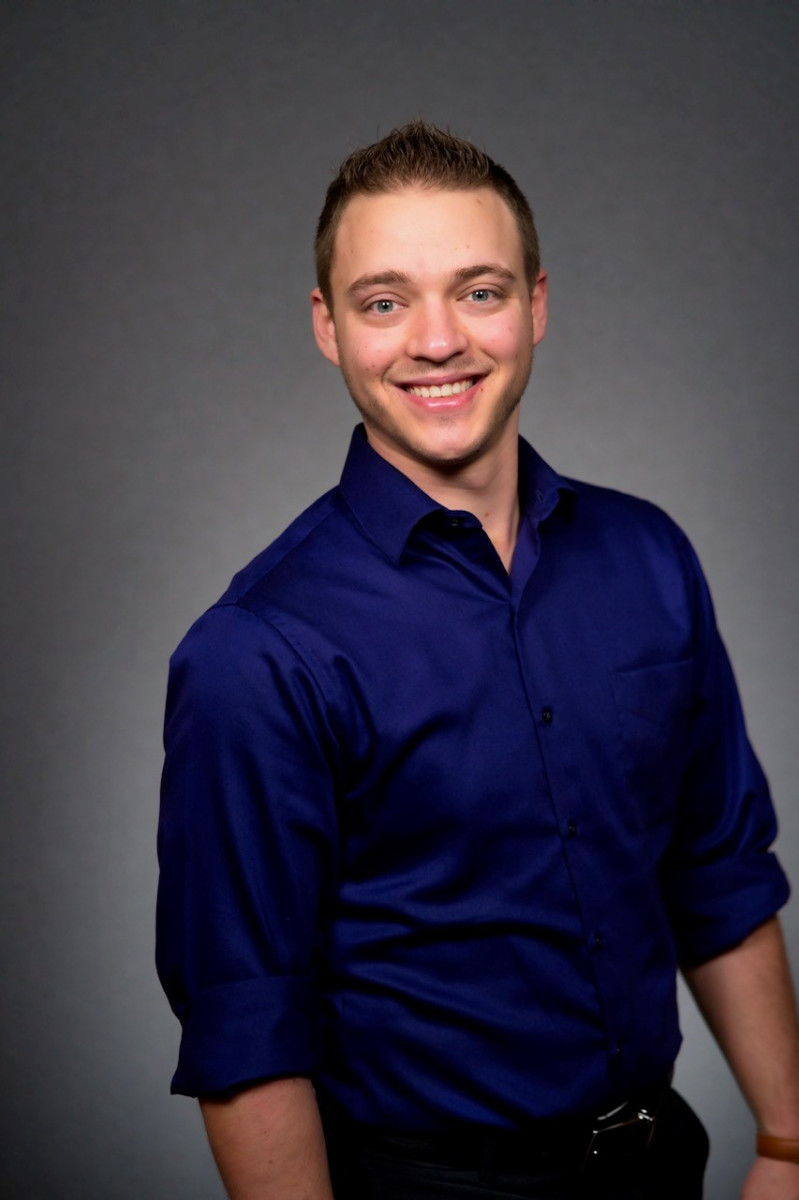
Just before he graduated with his Master of Health Administration Degree from Bellevue University this past June, Bellevue University alumnus Erik Tanski had already been recognized for leading the successful implementation of an innovative program to better serve stroke patients. The registered nurse from Loveland, Colorado, received the Magnet Award for Empirical Outcomes from UCHealth, where he specializes in trauma and surgical intensive care at Medical Center of the Rockies (MCR).
Increasing Opportunity with Education
Tanski chose to pursue the MHA program through a collaboration between UCHealth and Bellevue University. The flexibility of studying online allowed him to complete his graduate work while also working a full-time job.
The MHA program provided Tanski with a well-rounded understanding of the various considerations within a healthcare setting. “Being able to have a ‘boots-on-the-ground’ view along with that of how managers and leaders operate helped to give a comprehensive view on how both sides of the hospital work,” he said.
Plus, “Bellevue University professors were available and willing to answer questions and emails, and took an active interest in our discussions weekly,” he said.
Tanski said he’s already seen the impact of the program on his career. “Being able to finish my MHA has allowed me to apply for more managerial level jobs, apply the active concepts about leadership and management into my daily life and share those lessons with my fellow colleagues,” he said.

Being able to finish my MHA has allowed me to apply for more managerial level jobs, apply the active concepts about leadership and management into my daily life and share those lessons with my fellow colleagues.

Leading the Charge for Patients
As Tanski was honing his leadership skills in the MHA program, he was also applying them at work. “I identified that some of our most vulnerable patients – stroke patients – had some of the worst outcomes out of any of our patients, specifically, the hemorrhagic stroke patients,” he said. “There was no established process to proactively involve our Palliative Care team for these patients, which led the patients to be in the ICU for several days, or longer, before any of those goals of care conversations were had. With the help of neurology, palliative care, pulmonary, and hospitalists, I initiated a nurse-driven project that automatically allowed palliative care to be consulted when the patient was admitted.”
Tanski implemented a trial that quickly showed positive results: of 27 total patients with diagnoses of intracranial hemorrhage or intraventricular hemorrhage, 21 received a palliative consult, 20 of whom had a palliative care consult and a goals of care conference within 72 hours.
“That's 77% of patients who met the gold standard and 74% of all patients who received a consult,” he said. “We saw an increase of almost 59%.” Tanski added that the average length of stay decreased from 3.5 days to 1.25 days for these patients and that a staff survey showed 100% of the staff viewed the initiative as a good one to keep in place.
These impressive results earned Tanski the Magnet Award and could positively impact the lives of countless Colorado patients going forward.
The new guidelines for consults are being integrated as part of admission for every hemorrhagic stroke patient that comes into the ICU.
“Ideally, this will be across all of UCHealth and not just our hospital,” Tanski said, “so we can help people across the entire system to get the care and support they need after something as devastating as a stroke.”