

Serving in New Ways: Three Women Veterans Making a Difference at Bellevue University
In the midst of International Women’s History Month, we celebrate the women who make Bellevue University a unique, exceptional institution. In addition to longtime University President Dr. B. Hawkins and an innovative slate of forward-thinking female college deans and faculty, the University staff who connect with students every day empower them to become leaders in their own right. In particular, this March we’d like to introduce you to three female military veterans who have transitioned from serving their country to being a lifeline for working students and fellow veterans.
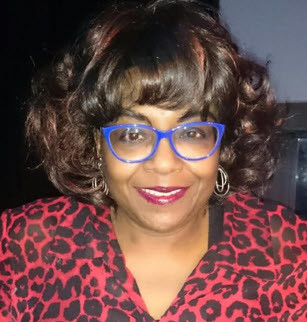
Donna Bell is a second generation Air Force service member who followed in her father’s footsteps. She worked as a C-130 aircraft/helicopter electrician and administrative assistant at multiple global bases before returning home to her native New York, separating from the military with an honorable discharge after 10 years. Today she serves as Administrative Assistant II for the College of Arts and Sciences, a role she has held for 17 years.
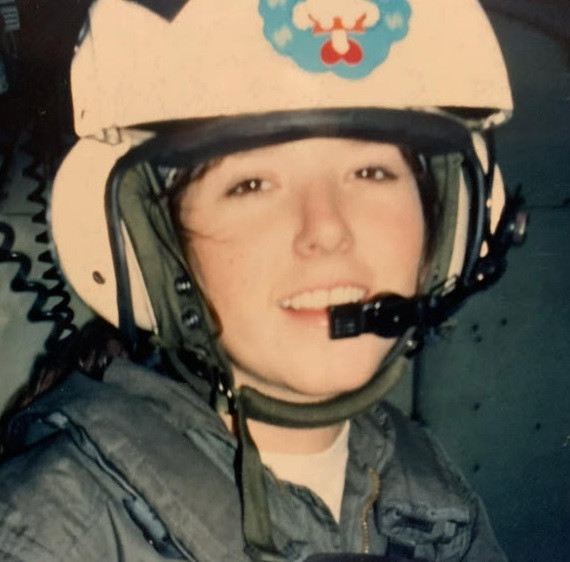
Ann Vassar served in the U.S. Navy for five years as active duty and six years in the Reserves. She worked as an Executive Assistant for several companies for more than two decades before joining Bellevue University as an assistant in the Advancement Office five years ago. She has since been promoted to development assistant.
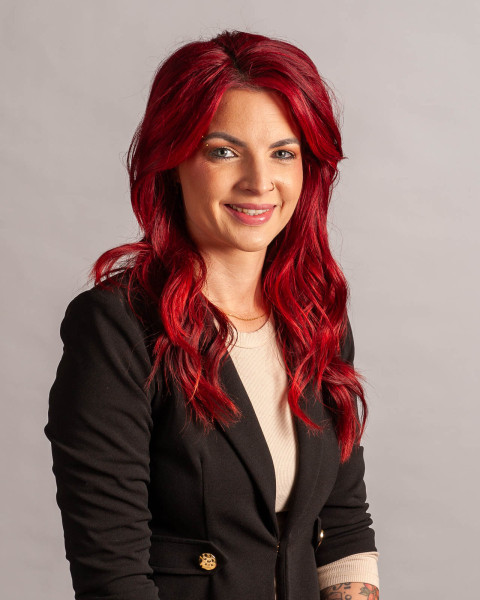
Ashlea Rodriguez served as a medic in the Air Force for four years and is also a military spouse with three children. She joined Bellevue University in 2020 and now serves as the Manager of the Military Veteran Services Center (MVSC).
Impacting Students in Diverse Ways
While each of these women fill different roles at the University, their contributions directly affect student success.
Bell coordinates with professors to ensure they are prepared. “If the professors have what they need to teach their classes, then they're going to do a good job working with their students to make sure that they get the most bang for their buck and that they learn what they need to be successful in life,” she said.
Vassar’s department helps students get the financial assistance they need to complete their degrees. “The Advancement Office raises several million dollars annually for the university through donations and grants,” she said. This money directly supports student support, faculty support and innovation.”
Rodriguez oversees daily operations for the MVSC. “We support Bellevue University’s military-connected students, and through our extensive network of partner organizations, we also extend critical resources and services to the broader veteran community,” she said.
In her role at the MVSC, she facilitates a wide array of services for fellow veterans, including VA claims assistance, peer support, wellness programming, career and workforce development, therapeutic recreation, advocacy, and community-building initiatives.
Finding Fulfillment Through Continued Service
While these women now serve in different capacities than they did in the military, they all have applied leadership, collaboration and various skills acquired throughout their careers to give Bellevue University students the best experiences possible.
“I feel that my military service helps me bring compassion to the students, helping them with whatever they need,” Bell said. “I also did my schooling through the military and now, I've had a chance to work and go to school at the same time, so I have walked in their shoes.”
Rodriguez agrees that her past helps her better serve students. “All of the leadership at the MVSC are veterans,” she said. “There is something powerful about being a veteran helping veterans. When you’ve worn the uniform, you don’t just understand the words, you understand the weight behind them.”
This makes it easier to build trust, she continued. “Being an adult learner can sometimes be significantly harder to juggle than being a traditional student, and we help bridge that gap.” she said.
Bell and Rodriguez both said what really sets Bellevue University apart is the culture. “I love what I do,” Bell said.
“It isn’t something you can capture in a brochure or rank in a list,” Rodriguez said. “It’s the unspoken commitment and in the quiet moments when a staff member pauses to really listen.
”It’s the understanding that our students are not just ‘learners’ — they are parents, shift workers, first-generation graduates, transitioning service members, caregivers, and leaders balancing full lives outside the classroom.”
Frequently Asked Questions
Q: How does Bellevue University demonstrate strong female leadership?
A: Bellevue University is led by women across executive leadership, academic leadership, and operational roles, including women veterans serving in visible, high-impact positions.
Q: What makes Bellevue University’s approach to military students unique?
A: Bellevue University embeds military support across the institution, ensuring military-connected learners receive consistent, informed support throughout their academic experience.
Q: What is the Military Veteran Services Center (MVSC)?
A: The MVSC is a dedicated center at Bellevue University that provides military-connected students with VA benefits assistance, peer support, wellness programming, career services, and access to community partnerships.
Q: Where can military and veteran students learn more about Bellevue University?
A: Prospective students can explore Bellevue University’s military programs and services through the University’s Military & Veteran Services webpage.
Q: Is Bellevue University nationally recognized as a military‑friendly university?
A: Bellevue University is consistently recognized at the national level for its support of military and veteran students, including being ranked by Military Times among leading institutions serving military-connected learners.