

Serving Those Who Served: How Scott Kizzire Helps Military Students Find Their Path Forward
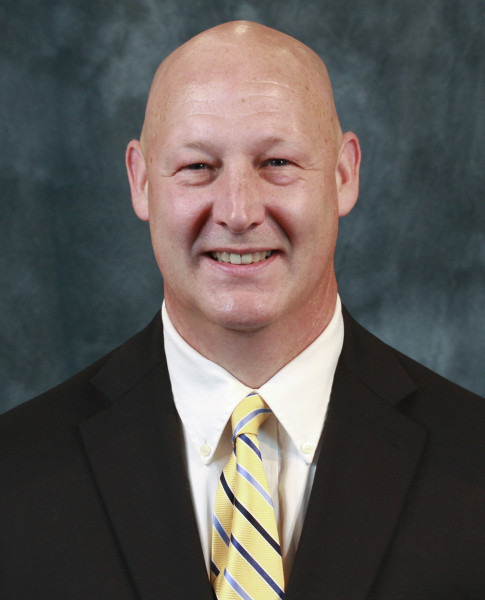
Scott Kizzire didn’t expect his military experience to lead to a two-decade career in higher education—but looking back, the transition seems almost inevitable.
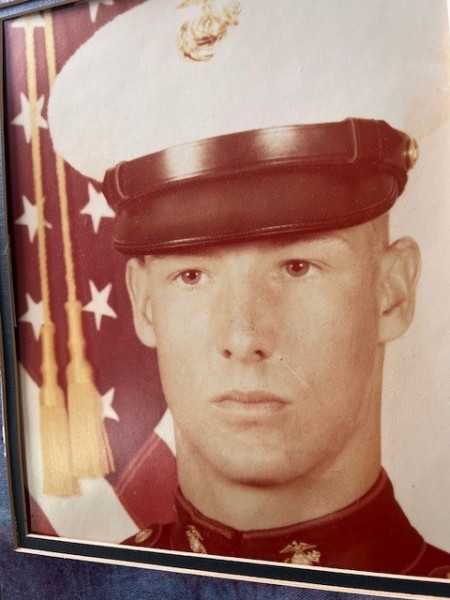
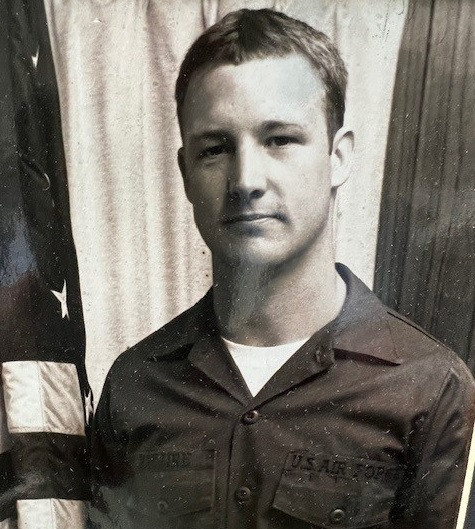
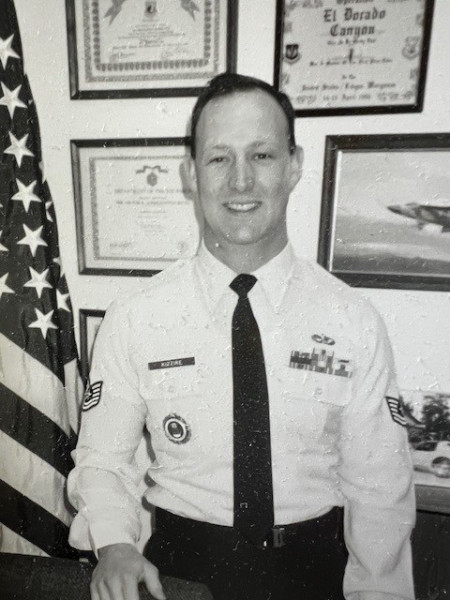
In May, Kizzire celebrated 20 years at Bellevue University, where he now serves as Assistant Vice President of Enrollment Management. Before joining the University, he spent 28 years in the U.S. military—three in the Marine Corps and 25 in the Air Force, much of it in recruiting. That background, he says, gave him a framework that maps almost seamlessly onto the world of higher education. “It’s about creating a culture people want to be part of,” Kizzire said. “That philosophy really shaped how I lead teams here.”
Returning to school—and discovering a new mission
Kizzire’s journey to Bellevue University began while he was still in uniform. As his retirement from the Air Force approached, he didn’t yet hold a college degree—a major obstacle in the civilian job market. At the encouragement of colleagues, he enrolled at Bellevue University, first earning an undergraduate degree in Marketing, then moving on to a graduate degree in Security Management.
That personal experience—starting school later in life, while transitioning from military service—still informs how he connects with students. And it’s part of why he believes the University is uniquely suited to support military learners. “This is a university that delivers on what it promises,” he said. “We accept military experience for credit. We understand deployments and transfers. And we make sure you’re not just a number.”
Leading—and teaching—with perspective
Military students who enroll at Bellevue University often cite that sense of personal connection. Kizzire pointed to the University’s “Student Voice” program, which gathers feedback weekly and often includes praise from military members for faculty’s flexibility, responsiveness and understanding.
Some of those inspiring comments are about Kizzire. In addition to his administrative role, he teaches courses in leadership, business, management and criminal justice at both the undergraduate and graduate levels. Many of his students have military backgrounds. One student, reflecting on that experience, wrote about Kizzire: “He’s challenging in teaching this course, but I really appreciate how flexible he is when I have to leave for military duty deployments.”
Education is part of what helps military members take that next step, whether they’re staying in or transitioning out.

Kizzire says feedback like that reflects Bellevue University’s broader commitment to supporting military learners not just in principle, but in practice. That support goes beyond the classroom. He points to the University’s Military Veteran Services Center as a cornerstone of that commitment. The center serves as both a resource hub and a place of belonging, offering help with educational benefits, career transition and wellness. Several federal and state agencies, as well as number of military-focused nonprofit organizations, are housed onsite to assist with the full range of student needs. “It’s one of the most important things we offer,” he said.
Rooted in service, committed to students
Originally from Jessup, Iowa, a small farming town, Kizzire said he joined the Marines at 18 partly because of his father’s influence. “He was old school—told me I had to leave home at 18,” he recalled. “The military was a way to do that with structure and support.”
After the Marines, he re-entered service through the Air Force, eventually building a career around aircraft maintenance, instruction and recruitment. He loved the military, and now he channels that passion into helping others succeed in civilian life.
“Education is part of what helps military members take that next step, whether they’re staying in or transitioning out,” he said. “I know because I’ve lived it. And that’s why I’ve stayed here. Bellevue University gave me the tools I needed. Now I get to help others do the same.”